Helpful Tips to Premier Deck Builders Austin
The Complete Guide to Deck Installation: Expert Step-By-Step Tips From the Pros
The Ultimate Guide to Deck Installation presents a well-organized method for building an outdoor space. It covers vital elements such as essential tools, planning, and material selection. Every step aims to simplify the installation process, ensuring homeowners can achieve a professional finish. Yet, even experienced DIY practitioners may miss common mistakes. Understanding these mistakes may be pivotal for a project that succeeds. Discover these errors and learn how to prevent them.
How to Design Your Ideal Deck: Important Steps
Designing a ideal deck starts with a clear vision and deliberate organization. The first step involves examining the available space and establishing the deck's purpose, including entertaining, relaxation, or family gatherings. Subsequently, homeowners should consider the style and materials that align with their home's architecture and personal taste. Sketching a layout can help visualize the design, including elements like seating, railings, and planters.
Researching area-specific building rules and standards is essential to avoid potential issues during installation. Furthermore, establishing a budget will shape selections for materials and construction approaches. Property owners should also think about future maintenance and durability, opting for materials that suit their climate. In closing, seeking advice from experts or knowledgeable acquaintances can deliver meaningful perspective, ensuring a well-thought-out plan that meets both functional and aesthetic desires. By taking a strategic approach, the perfect deck can evolve into a charming and welcoming addition to the residence.
Must-Have Tools for Your Deck Installation
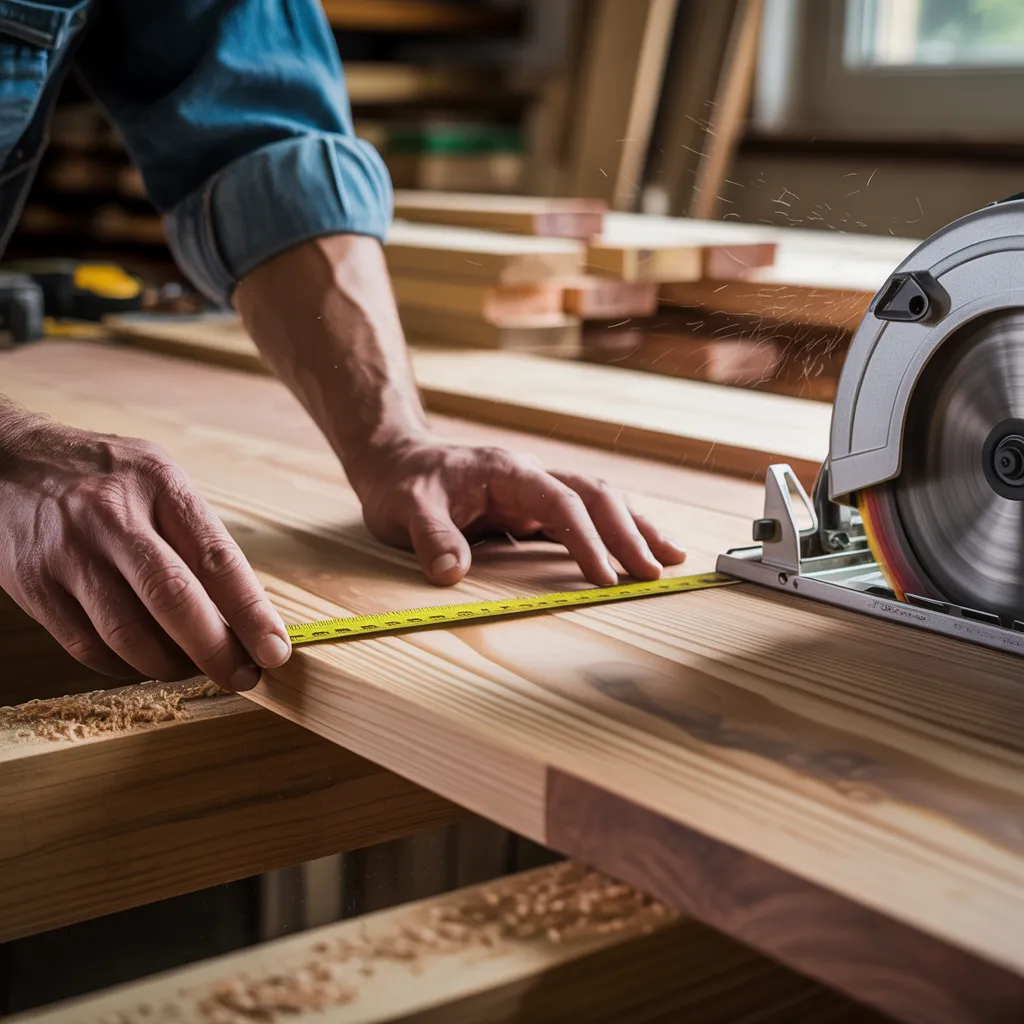
Effective deck installation calls for a properly stocked toolkit. Necessary tools feature a circular saw to make accurate cuts, a power drill to fasten and secure all components, and a measuring tape to ensure precise measurements. A level is critical for ensuring flat and even surfaces, while a framing square helps with right angles during assembly.
Moreover, a hammer proves helpful for tapping in fasteners or making manual adjustments, and a pry bar is essential for removing old materials if necessary. Protective equipment, such as protective goggles and gloves, cannot be overlooked, offering essential protection while installing.
For optimal professional results, a sander may be needed for smoothing edges, and a chalk line helps mark straight lines for layout. Having these tools on hand not only streamlines the installation process but also contributes to a durable and aesthetically pleasing deck. Proper preparation with the right tools is key to successful deck construction.
Selecting Materials for Your Deck Installation: Wood vs. Composites
When choosing materials for building a deck, the decision between wood and composite options heavily influences maintenance needs, durability, and visual appeal. Each option presents unique benefits and challenges that homeowners need to evaluate. Understanding these factors can guide an informed decision for a long-lasting and visually pleasing deck.
Resilience And Long-Term Durability Factors
Picking the right materials for installing a deck greatly impacts its durability and longevity. For those evaluating wood, species like cedar and redwood offer natural resistance to decay but can demand regular maintenance, including sealing and staining. Over time, they may be vulnerable to warping and splintering. On the other hand, composite materials, made from a blend of recycled plastics and wood fibers, provide improved durability. They resist fading, staining, and scratching, demanding less upkeep. However, quality can vary considerably among brands, so thorough research is essential. Ultimately, selecting either material involves comparing the initial cost against long-term performance, maintenance requirements, and environmental factors to ensure the deck holds up against the elements and regular use for years to come.
Aesthetic Appeal Considerations
The visual appeal of a deck considerably influences its overall value and enjoyment. When selecting materials, homeowners often compare the visual qualities of wood against those of composite options. Natural wood radiates warmth and character, offering deep textures and hues that can improve a property's character. However, it requires careful selection of species to ensure durability and resistance to natural elements. By contrast, composite materials offer a consistent appearance and a wider selection of colors, appealing to those seeking modern aesthetics. They can simulate the aesthetic of wood while delivering reliable quality. Fundamentally, the selection between wood and composites copyrights on personal taste preferences and the desired mood, establishing the foundation for the deck's aesthetic impression.
Summary of Maintenance Requirements
Picking deck installation materials involves thoughtful evaluation of upkeep needs, which can vary greatly between wood and composite materials. Traditional wood decks typically require routine staining, sealing, and cleaning to avoid rot, warping, and insect damage. With time, these decks can display signs of deterioration, requiring increased maintenance and repairs. By comparison, decks made from composite materials have been built for long-lasting performance and demand little ongoing care. These materials resist staining, fading, and splintering, and typically only need periodic cleaning with soap and water. Even though composite options may cost more initially, their lower upkeep can result in long-term savings. At the end of the day, the choice between wood and composite will greatly influence the continuing upkeep demands and expenses tied to owning a deck.
A Step-by-Step Guide to Deck Installation: From Foundation to Finish
An effective deck installation demands thorough planning and careful implementation, guaranteeing all steps are completed with accuracy. The process begins with choosing a suitable location, evaluating aspects including light availability and drainage conditions. Next, the foundation is laid, often using concrete footings to offer a solid foundation. Leveling the ground is essential to guarantee a flat surface for the overall deck construction.
After the foundation is set, framing is assembled using pressure-treated wood, forming the skeleton of the deck. The framework requires secure fastening and proper alignment. After the framing, deck boards are installed, typically in a staggered pattern to enhance aesthetics and durability.
Railings and staircases are then put in place, following local building codes to ensure safety. As a final step, finishing details, such as sealing or staining the wood, shield the structure from the elements and increase the deck's longevity. Properly completing these steps results in a durable, attractive outdoor space that meets the homeowner's needs.
Top 10 Mistakes to Avoid When Building Your Deck
Creating a deck can be a satisfying undertaking, but various obstacles can occur along the way. One typical oversight is ignoring local building codes, which can cause financial penalties or required dismantlement. A further prevalent issue is poor planning, resulting in a design that doesn't fit the space. Failing to choose the right materials can also compromise durability and aesthetics.
Neglecting proper foundation work is a major error, as it can result in dangerous instability. Moreover, neglecting adequate drainage can result in water damage with time. A large number of builders disregard the critical nature of railing height and load capacity, risking safety. Inaccurate dimension calculations can cause material waste and elevated costs.
Lastly, not allowing for the natural expansion and contraction of materials can result in warping. By recognizing these key mistakes, deck builders can achieve a professional deck installation that fulfills both functional and aesthetic goals.
How to Keep Your Deck Looking Great for Years?
Preserving the appearance of a deck necessitates ongoing attention and dedication. Routine cleaning methods, combined with seasonal upkeep recommendations, serve a critical purpose in maintaining its charm and durability. By embracing these methods, homeowners can guarantee that their deck stays an appealing exterior retreat for the foreseeable future.
Regular Cleaning Techniques
Maintaining go now a deck in excellent condition requires regular cleaning techniques that stop dirt, mildew, and stains from setting in. Specialists advise brushing the deck on a weekly basis to eliminate debris and reduce buildup. For a more thorough clean, a mixture of mild soap and water can be applied with a soft-bristle brush, ensuring all corners are addressed. Rinsing thoroughly afterward is essential to eliminate any remaining soap. Should mildew develop, a mixture of vinegar and water can effectively combat it without harsh chemicals. Furthermore, applying a pressure washer carefully can get rid of persistent stains, but it should be set to a low pressure to avoid damage. Regular maintenance promotes longevity, ensuring the deck remains an attractive outdoor space for years to come.
Seasonal Care and Maintenance Guidance
Although many homeowners focus on cleaning their decks, seasonal upkeep is crucial for maintaining their appearance and performance. To ensure long-lasting results, homeowners should examine the deck for wear or damage a minimum of twice annually. This includes checking for loose boards, rusted nails, or loose railings. Using a protective coating every couple of years can defend against moisture and sun damage. Additionally, during the fall, homeowners should clear away leaves and debris to prevent mold growth. During winter months, snow must be cleared with caution, steering clear of metal shovels that may damage the surface. By following these seasonal maintenance tips, homeowners can keep their decks looking great and functioning well for many years to come.
Enhancing Your Deck With Stylish Design Features and Accessories
To establish a wonderfully appealing outdoor environment, homeowners regularly evaluate various design features and accessories that can enhance the overall appeal of their decks. Installing integrated seating options, such as seating benches or built-in planters, not only maximizes space but adds functionality. Adding shade options, like decorative pergolas or adjustable awnings, can ensure comfort throughout warm sunny afternoons. Stylish railing designs, spanning from traditional wood to contemporary metal styles, not only boost security but also elevate the overall aesthetic charm.
Illumination is yet another vital aspect; string lights or integrated LEDs can establish a cozy atmosphere for nighttime entertaining. In addition, outdoor rugs and throw pillows deliver coziness while permitting customization. Lastly, integrating greenery through potted plants or vertical gardens can breathe life into the space, transforming the deck into a peaceful sanctuary. By thoughtfully selecting these elements, homeowners can turn their decks into sophisticated and appealing outdoor retreats.
Common Questions and Answers
What Permits Are Needed for Deck Installation in My Area?
To determine the necessary permits for deck construction, it is advisable to consult local building authorities. Regulations vary by location; in most cases, permits are necessary for structural, electrical, or plumbing work, ensuring compliance with safety and zoning laws.
How Do I Choose a Contractor for My Deck Project?
To choose a contractor for a deck project, researching local professionals is essential, verify references, validate licenses and proper insurance, assess prior work samples, and request multiple estimates to secure quality results and value for the investment.
Is It Possible to Install a Deck on Uneven Ground?
Yes, a deck can be built on an unlevel surface, but careful planning and the right techniques are necessary. Possible solutions include employing adjustable post supports, building a multi-level deck, or evening out the ground before building to ensure stability.
How Much Does Deck Installation Cost on Average?
The standard cost of installing a deck typically ranges from $15 to $35 per square foot, based on materials, design complexity, and local labor rates. This estimate includes both material costs and labor for a complete project.
How Much Time Does Deck Installation Usually Require?
Deck installation typically takes anywhere from one to three weeks depending on the size, complexity, and type of materials selected. The timeline can also be influenced by weather conditions and crew availability, impacting the overall project duration considerably.